Author: Sam

Fine Aggregate vs Coarse Aggregate: What's the Difference?

Fine Aggregate vs Coarse Aggregate: What’s the Difference?

If you’ve ever ordered aggregates or looked into construction materials, you’ve likely come across the terms “fine aggregate” and “coarse aggregate.” But what exactly do they mean, and how do you know which one is right for your project? At Erewash Concrete, we supply both to customers across Nottinghamshire and Derbyshire, so we’ve put together this straightforward guide to help you understand the key differences.

What Are Aggregates?

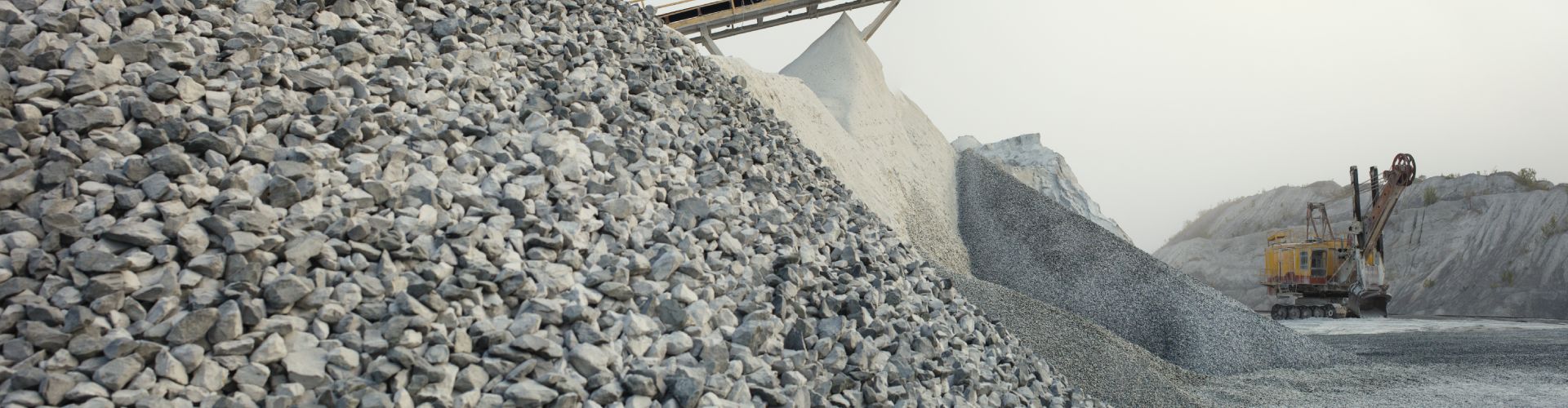
Aggregates are granular materials — such as sand, gravel, crushed stone, and recycled materials — that are used in construction. They are one of the most widely used building materials in the world, forming the backbone of concrete, mortar, road surfaces, drainage systems, and much more. Aggregates are broadly divided into two categories based on their particle size: fine aggregates and coarse aggregates.

What Is Fine Aggregate?

Fine aggregate refers to any aggregate material with particles smaller than 4.75mm in size. The most common examples of fine aggregate are sand — including building sand (also known as soft sand) and sharp sand (also known as grit sand). Fine aggregates are produced by either naturally occurring geological processes, such as the weathering and erosion of rock, or by crushing larger stones down to a smaller particle size.

Because of their small particle size, fine aggregates are able to fill the gaps and voids between larger particles in a mix. This makes them essential for producing smooth, workable concrete and mortar mixes. They also contribute to the overall strength and density of a hardened mix by reducing internal voids and improving bonding between particles.

What Is Coarse Aggregate?

Coarse aggregate refers to aggregate materials with particles larger than 4.75mm in size. Common examples include gravel, crushed stone, shingle, and recycled concrete aggregate. Coarse aggregates are typically produced by quarrying and crushing hard rock, or by screening and washing naturally occurring gravel deposits.

In concrete production, coarse aggregates provide the bulk of the mix’s structural strength. The large, interlocking particles resist compression and help the finished concrete withstand significant loads. Coarse aggregates are also widely used as drainage media, sub-base fill, and decorative surfacing materials in landscaping and civil engineering applications.

Key Differences Between Fine and Coarse Aggregate

The most obvious difference between fine and coarse aggregate is particle size. Fine aggregates have particles passing through a 4.75mm sieve, while coarse aggregates are retained on a 4.75mm sieve — meaning their particles are too large to pass through. However, the differences go beyond just size.

Fine aggregates, such as sand, have a much larger surface area relative to their volume. This means they require more cement paste to coat each particle in a concrete mix, which can affect workability and water demand. Coarse aggregates, by contrast, have a lower surface area relative to their volume, meaning less cement paste is needed to bind them — making coarse-aggregate-heavy mixes more economical for large structural pours.

The shape of the particles also differs. Fine aggregates tend to be more rounded and smooth (particularly naturally occurring sand), which improves the workability and flow of a concrete or mortar mix. Coarse aggregates, especially crushed stone, tend to be more angular and irregular in shape, which improves mechanical interlocking and overall structural strength in hardened concrete.

Which One Do You Need?

In most concrete and construction applications, both fine and coarse aggregates are used together in carefully calculated proportions. The balance between the two is known as the aggregate grading, and getting it right is essential for producing concrete with the correct strength, workability, and durability.

For general-purpose concrete — such as foundations, floor slabs, and driveways — a mix of coarse aggregate (typically 20mm gravel or crushed stone) and fine aggregate (sharp sand) is used alongside cement and water. The fine aggregate fills the voids between the coarse particles, creating a dense, strong matrix once cured.

For mortar, render, and screeds, fine aggregate alone is typically used. Building sand is the go-to choice for bricklaying mortar and general render work, while sharp sand is preferred for floor screeds and pointing due to its coarser, grittier texture and improved strength.

For drainage applications, coarse aggregate is used on its own — usually clean, washed gravel or shingle — to allow water to flow freely through the material without fine particles blocking the voids.

Fine and Coarse Aggregates From Erewash Concrete

At Erewash Concrete, we supply a full range of fine and coarse aggregates to customers across Nottinghamshire, Derbyshire, and the wider East Midlands area. Whether you need sharp sand for a concrete mix, building sand for mortar, or gravel for drainage and landscaping, we can provide quality materials in the quantities you need — with no wastage and no hassle.

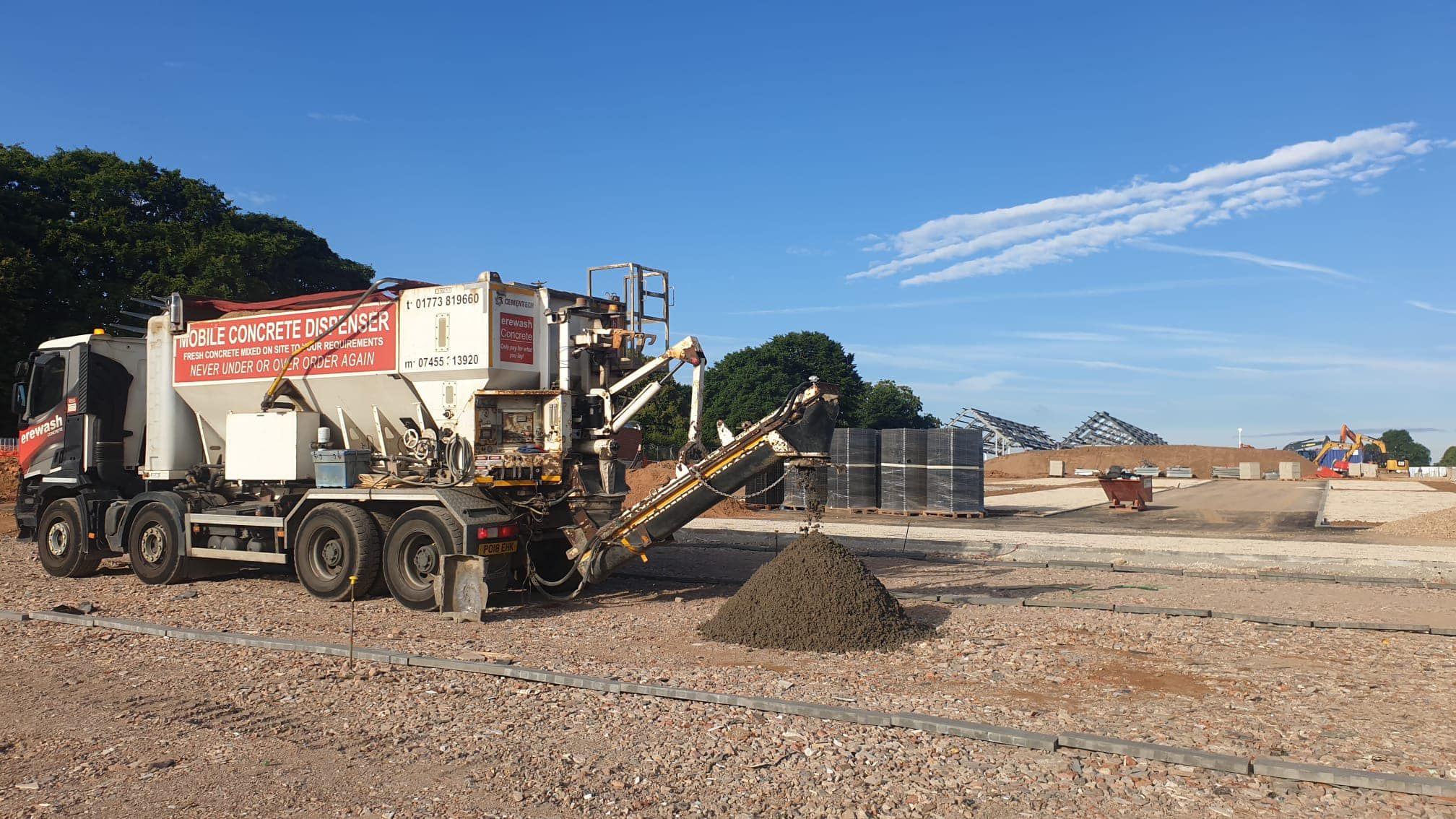
We also supply ready-mix concrete using carefully graded aggregate blends, meaning you get a consistent, high-performance mix every time without having to worry about sourcing and proportioning materials yourself. Our volumetric lorries allow us to mix the exact quantity you need on-site, so you only ever pay for what you use.

To find out more about our aggregate supply services or to get a quote, please contact our team today on 01773 819 660. We’re based in Pinxton, Nottinghamshire, and we’re always happy to help with projects of any size.
Erewash Concrete - Concrete Suppliers Nottinghamshire

Tips for Successful Concrete Pouring in All Seasons

Pouring concrete is a crucial step in many construction projects. Whether you’re laying a driveway, installing a patio, or building solid foundations, the long-term success of your project depends on proper placement and curing. At Erewash Concrete, we understand how seasonal weather changes can affect concrete performance. With the right preparation and expert guidance, you can achieve durable, high-quality results all year round.

1. Plan Around the Weather

Weather conditions have a significant impact on how concrete sets and cures. Each season presents its own challenges:

  • Summer: High temperatures can cause concrete to set too quickly, increasing the risk of shrinkage and surface cracking.
  • Winter: Cold weather slows the curing process and can lead to frost damage if not properly managed.
  • Rainy Conditions: Excess water can weaken the surface and reduce overall strength.
  • Windy Days: Rapid moisture loss may result in surface defects.

Before scheduling your pour, always check the forecast and plan accordingly. In some cases, adjusting your timeline by even a day or two can significantly improve results.

2. Choose the Right Concrete Mix

Using the correct concrete mix for the season is essential for durability and strength. At Erewash Concrete, we provide tailored mixes designed to perform in varying conditions:

  • Hot Weather Mixes: Often include retarders to slow the setting process and reduce cracking risks.
  • Cold Weather Mixes: May contain accelerators or air-entraining agents to protect against frost and support proper curing.
  • Standard Ready-Mix: Suitable for moderate conditions and a wide range of applications.

Selecting the appropriate mix ensures your concrete achieves optimal performance regardless of temperature or humidity levels.

3. Prepare the Site Thoroughly

Proper site preparation lays the groundwork for a successful pour. Before the concrete arrives:

  • Ensure the ground is properly excavated and compacted.
  • Install sturdy formwork to maintain shape and alignment.
  • Add reinforcement such as steel mesh or rebar where required.
  • Remove standing water, debris, or loose materials from the area.

Good preparation prevents uneven settling, structural weakness, and future cracking.

4. Protect Concrete During Curing

Concrete gains strength through a process called curing, which requires controlled moisture and temperature. Protecting your concrete during this phase is critical:

  • In Summer: Keep the surface moist using water spray or curing compounds, and provide shade where possible.
  • In Winter: Use insulated blankets or temporary enclosures to maintain warmth and prevent freezing.
  • In Wind: Shield exposed surfaces to reduce rapid evaporation.

Maintaining stable conditions during the first 7–14 days after pouring significantly improves strength and longevity.

5. Work with Experienced Professionals

Seasonal concrete pouring requires knowledge and precision. Partnering with an experienced supplier ensures you receive expert advice, high-quality materials, and dependable delivery. Erewash Concrete provides reliable ready-mix concrete and professional support to help your project succeed in any weather.

Conclusion

Successful concrete pouring in all seasons comes down to careful planning, selecting the right mix, thorough preparation, and proper curing techniques. By understanding how weather impacts your project and working with a trusted supplier, you can achieve strong, long-lasting results throughout the year.

To learn more about our concrete solutions or to request a quote, visit Erewash Concrete today.

Erewash Concrete - Concrete Suppliers Nottingham

What Is MOT Type 1 and Where Is It Used?

If you’ve been researching materials for a driveway, patio, road, or groundworks project, there’s a good chance you’ve come across the term “MOT Type 1.” It’s one of the most widely specified sub-base materials in the UK construction industry, yet many people — particularly those tackling a project for the first time — aren’t entirely sure what it is or why it’s so commonly used. At Erewash Concrete, we supply MOT Type 1 to customers across Nottinghamshire and Derbyshire, so here’s everything you need to know.

What Is MOT Type 1?

MOT Type 1 is a crushed aggregate material, typically made from crushed limestone, granite, or recycled concrete. The name comes from the fact that it was originally specified by the Ministry of Transport (now the Department for Transport) as a sub-base material for road construction. The “Type 1” refers to its specification — a particular grading and quality standard that dictates the size, shape, and composition of the material.

MOT Type 1 is graded to contain a mixture of particle sizes, ranging from dust and fines up to 40mm stone. This carefully controlled mix of particle sizes is what gives MOT Type 1 its key characteristic: when compacted, the different-sized particles lock together tightly to form a dense, stable, load-bearing layer. The fines fill the voids between larger particles, leaving very little empty space in the compacted material.

It is worth noting that MOT Type 1 must meet specific grading requirements. Not all crushed stone or hardcore is MOT Type 1 — the material must be produced to the correct specification to carry that designation. When ordering from a reputable supplier like Erewash Concrete, you can be confident that the material meets the required standard.

MOT Type 1 vs MOT Type 2 — What’s the Difference?

You may also come across MOT Type 2, which is a similar sub-base material but with a slightly different grading. The key difference is that MOT Type 2 can contain more fine, smooth, or flaky particles, which means it doesn’t compact quite as densely or perform as well under heavy loads as Type 1. For most domestic and commercial applications, MOT Type 1 is the preferred choice because of its superior compaction and load-bearing performance. Type 2 is generally used in less demanding situations where the sub-base won’t be subjected to significant traffic or loading.

Where Is MOT Type 1 Used?

MOT Type 1 has a very wide range of applications in both domestic and commercial construction. Its strength, stability, and reliable performance under load make it the go-to sub-base material for countless projects across the UK.

Driveways

One of the most common domestic uses for MOT Type 1 is as a sub-base beneath driveways. Whether the finished surface is to be block paving, tarmac, resin-bound gravel, or concrete, a properly compacted layer of MOT Type 1 underneath provides the stable, even foundation that the surface needs to perform well over time. Without a solid sub-base, driveways are prone to sinking, cracking, and developing uneven surfaces — particularly under the regular weight of vehicles. A typical domestic driveway sub-base will use a compacted layer of MOT Type 1 around 100–150mm deep, though heavier-use driveways may require more.

Patios and Paved Areas

MOT Type 1 is also widely used as a sub-base beneath patios, garden paths, and other paved areas. Even where vehicle loading isn’t a concern, a compacted sub-base of MOT Type 1 helps to prevent the ground from shifting and settling unevenly beneath paving slabs or block paving. This is particularly important on softer ground or in areas with clay-heavy soils, which are prone to movement a

5 Ways in Which Aggregate Helps With Drainage

5 Ways in Which Aggregate Helps With Drainage

When most people think of drainage, they picture pipes, gullies, and underground systems. But one of the most effective and widely used drainage solutions is far simpler than that — aggregate. Gravel, shingle, crushed stone, and other aggregate materials play a vital role in managing water on construction sites, in gardens, and across all kinds of civil engineering projects. At Erewash Concrete, we supply quality aggregates to customers across Nottinghamshire and Derbyshire, so we know just how valuable the right material can be when it comes to keeping water where it should be. Here are five ways in which aggregate helps with drainage.

1. French Drains

One of the most well-known uses of aggregate in drainage is the French drain — a simple but highly effective system for redirecting surface water and groundwater away from a specific area. A French drain consists of a trench dug into the ground, lined with a permeable geotextile membrane, filled with clean angular gravel or shingle aggregate, and typically containing a perforated pipe at the bottom.

The aggregate filling allows water to percolate down through the trench quickly and freely, flowing into the perforated pipe below and being carried away to a soakaway, watercourse, or drainage outlet. The angular shape of the aggregate particles creates plenty of voids for water to move through, while the geotextile membrane prevents soil and fine particles from migrating into the aggregate and blocking the system over time.

French drains are commonly installed alongside house foundations, garden retaining walls, and sloped ground where water naturally accumulates. They are an affordable, low-maintenance solution that can dramatically reduce waterlogging and protect structures from the damaging effects of prolonged water exposure.

2. Soakaways

A soakaway is an underground pit or chamber designed to allow surface water to gradually disperse into the surrounding ground. Aggregate plays a central role in traditional soakaway construction — the pit is filled with clean, washed aggregate such as gravel or crushed stone, which provides the structural support needed to prevent the pit from collapsing while also creating the large volume of void space that allows water to be held and slowly released into the ground.

The voids between aggregate particles act as temporary storage for water during periods of heavy rainfall, preventing it from backing up and causing surface flooding. As the water gradually drains away into the surrounding soil, the aggregate-filled soakaway recharges and becomes ready for the next rainfall event. This makes aggregate-filled soakaways particularly effective in managing stormwater on residential properties, especially where connection to the mains drainage network is not possible or practical.

Soakaways are commonly installed to manage roof water from downpipes, surface water from driveways and patios, and run-off from garden areas. Using clean, well-graded aggregate in a soakaway ensures good permeability and long-term performance.

3. Permeable Paving Sub-Bases

Permeable paving systems — such as permeable block paving, gravel driveways, and resin-bound surfaces — are designed to allow rainwater to drain down through the surface rather than running off into drains or across neighbouring land. For these systems to work effectively, the sub-base beneath the surface must also be permeable, and that’s where aggregate comes in.

Instead of the dense, tightly compacted MOT Type 1 sub-base used beneath conventional impermeable surfaces, permeable paving systems use an open-graded aggregate sub-base — typically a clean, single-sized gravel or crushed stone with no fines. Because there are no small particles to fill the voids between the larger stones, this type of sub-base retains a high percentage of air and void space, allowing water to drain freely downward and either soak into the ground below or be collected and managed via an underlying drainage system.

This approach is increasingly popular for domestic driveways and car parks, as it helps homeowners and developers comply with planning regulations around sustainable drainage and reduces the risk of localised flooding caused by excessive run-off from hard surfaces.

4. Pipe Bedding and Trench Drainage

When drainage pipes are laid underground — whether for surface water, foul drainage, or utility services — the material surrounding the pipe plays a critical role in both protecting the pipe and ensuring the drainage system functions correctly. Aggregate is the preferred bedding and surround material for most drainage pipe installations.

A layer of fine gravel or pea shingle is typically placed at the bottom of the trench to create a firm, even bed for the pipe to sit on. The same aggregate is then used to surround and cover the pipe once it is in position, protecting it from the pressure of backfill material above and allowing any water that enters the trench to drain away freely rather than pooling around the pipe.

Using the correct aggregate for pipe bedding is important — the material needs to be free of sharp, angular particles that could damage the pipe, free of fines that could wash into and block the drainage system, and well-graded to provide stable support without excessive settlement. Clean pea gravel and single-sized crushed stone are the most commonly specified materials for this purpose.

5. Garden and Landscape Drainage

Waterlogged gardens are a common problem, particularly in areas with heavy clay soils that drain poorly, or in low-lying ground that collects run-off from surrounding areas. Aggregate offers several practical solutions for improving drainage in garden and landscape settings, helping to create healthier growing conditions and more usable outdoor spaces.

Incorporating grit or coarse sharp sand into heavy clay soil improves its structure and drainage properties, allowing water to move through the ground more freely rather than sitting on the surface or around plant roots. For more severe drainage problems, a network of aggregate-filled drainage trenches can be installed across a garden to intercept and redirect waterlogged ground, working on the same principle as a French drain but on a broader scale.

Gravel and shingle are also widely used as a surface material in gardens and landscaping, and this too contributes to drainage. A gravel path or border allows rainwater to percolate directly into the ground rather than running off a hard impermeable surface, reducing puddles and waterlogging in the immediate area. Decorative aggregate surfaces are particularly popular around the bases of trees and shrubs, where good drainage is essential for healthy root development.

Choosing the Right Aggregate for Drainage

Not all aggregates are equally suited to drainage applications. For maximum performance, drainage aggregate should be clean and free of fines — small dust and clay particles that can migrate through the material over time and gradually block the voids that allow water to flow. Single-sized or open-graded aggregates, where all particles are roughly the same size, provide the highest void content and the best drainage performance. Washed gravel, pea shingle, and clean crushed stone are all excellent choices depending on the specific application.

The size of the aggregate also matters. Larger particles create larger voids and allow water to drain more quickly, making them well suited to soakaways and sub-base drainage layers. Smaller particles, such as fine gravel or pea shingle, are better suited to pipe bedding and applications where a finer, more controlled material is needed.

Supply Your Drainage Aggregate From Erewash Concrete

At Erewash Concrete, we supply a wide range of aggregates suitable for all types of drainage applications, including gravel, shingle, sharp sand, and crushed stone. We serve customers across Nottinghamshire, Derbyshire, and the wider East Midlands, offering reliable delivery and competitive pricing on orders of all sizes.

Whether you’re installing a French drain, constructing a soakaway, laying a permeable driveway, or improving the drainage in a waterlogged garden, our team can help you choose the right aggregate for the job and ensure it arrives when and where you need it.

To find out more or to get a quote, please contact our friendly team today or call us on 01773 819 660. We’re based in Pinxton, Nottinghamshire, and we’re proud to support projects of all shapes and sizes across the local area.

Erewash Concrete - Concrete Suppliers Nottingham

What types of concrete can be delivered?

At Erewash Concrete, we understand that every project is unique. That’s why we specialise in mixed-on-site concrete, ensuring you get the exact amount you need, from 0.5 to 8 cubic meters per load. This approach minimises waste and guarantees the freshest, highest-quality concrete for your residential building projects, site works, and home/office ground improvements.

While we mix on-site to meet your specific needs, it’s helpful to understand the different types of concrete available and their ideal applications. Here’s a look at some common types, inspired by the comprehensive offerings of Mix-n-Lay:

Ready-Mix Concrete (RMC): This is the go-to choice for a wide range of projects, from patios and driveways to building foundations and concrete slabs. At Erewash Concrete, our mixed-on-site service ensures your RMC is perfectly tailored to your project’s requirements.

Self-Compacting Concrete (SCC): Ideal for complex formwork, intricate structures, and decorative work, SCC is highly fluid and settles without vibration. While we focus on mixed-on-site solutions, understanding SCC helps you appreciate the versatility of concrete.

Pumped Concrete: For those hard-to-reach areas, pumped concrete is the answer. While Erewash Concrete specialises in mixed-on-site, we can advise on solutions for projects requiring pumping.

Waterproof Concrete: Protect your structures from water damage with waterproof concrete, commonly used in basements and swimming pools. We can tailor your mix to provide the necessary water resistance.

High-Strength Concrete: When you need superior durability for heavy-duty construction, high-strength concrete is the answer. Erewash Concrete can mix the perfect high-strength blend for your project.

Air-Entrained Concrete: For outdoor projects that need to withstand harsh winters, air-entrained concrete provides improved resistance to freezing and thawing. We understand the local climate and can ensure your mix is up to the challenge.

Erewash Concrete: Expert Advice and Reliable Service

We pride ourselves on offering a friendly and reliable service, with expert advice available to help you choose the right concrete solution for your needs. Contact us today to discuss your project and discover the Erewash Concrete difference!

Using Ready Mix Concrete? Know The Common Types And Advantages

Ready mix concrete is a popular choice for construction projects of all sizes. It’s a versatile and convenient material that offers a number of advantages over traditional site-mixed concrete. In this blog post, we’ll explore the different types of ready mix concrete available and the benefits it can bring to your next project.

What is Ready Mix Concrete?

Ready mix concrete is a type of concrete that is pre-mixed and delivered to your construction site by a concrete truck. This eliminates the need for you to measure, mix, and transport the various ingredients yourself, saving you time, labor, and resources. Ready mix concrete is produced in a controlled environment at a concrete plant, ensuring consistent quality and strength.

Types of Ready Mix Concrete
There are three main types of ready mix concrete:

Central Mixed Concrete: This type of concrete is completely mixed at a central plant and delivered to the worksite in a sealed agitator truck. Central mixed concrete offers the highest level of quality and consistency, making it ideal for projects requiring high-strength concrete or architectural applications.

Shrink Mixed Concrete: In shrink mixed concrete, some of the dry ingredients are combined at the plant and then additional water is added at the job site. This allows for some on-site adjustments to the concrete’s slump, which is a measure of its workability. Shrink mixed concrete is a good option for projects where some degree of workability is required.

Transit Mixed Concrete: This type of concrete is partially mixed at the plant with the remaining dry ingredients added to the truck’s mixer drum during transport to the worksite. This mixing process continues at the job site until the concrete reaches the desired consistency. Transit mixed concrete is a cost-effective option for many projects, as it offers some flexibility in terms of workability.

Advantages of Using Ready Mix Concrete
There are several advantages to using ready mix concrete for your construction project:

Convenience: Ready mix concrete eliminates the need for on-site batching and mixing, saving you time and labor costs.

Quality Control: Since ready mix concrete is produced in a controlled environment, it ensures consistent quality and strength throughout every batch.

Reduced Waste: Ready mix concrete minimises the risk of over-ordering or improperly mixing materials, reducing waste and lowering costs.

Sustainability: Ready mix concrete producers often utilise recycled materials in their concrete mix, making it a more sustainable construction option.

Expertise: Ready mix concrete suppliers have the expertise and experience to advise you on the best type of concrete for your specific project needs.

Safety: Using ready mix concrete reduces the risks associated with handling and storing loose concrete materials on-site.

Choosing the Right Ready Mix Concrete for Your Project
The best type of ready mix concrete for your project will depend on several factors, including:

The size and scope of your project
The required strength and durability of the concrete
The desired workability of the concrete
Your budget
It’s important to consult with a qualified concrete supplier to discuss your project requirements and determine the most suitable type of ready mix concrete for your needs.

Conclusion

Ready mix concrete is a versatile and convenient construction material that offers a number of advantages over traditional site-mixed concrete. By understanding the different types of ready mix concrete available and the benefits it can bring to your project, you can make an informed decision about the best concrete solution for your needs.

I hope this blog post has been helpful. If you have any questions about ready mix concrete or our concrete products and services, please don’t hesitate to contact Erewash Concrete.

Common Use of Concrete in Interior Designing Projects

Gone are the days of plain grey slabs. Today, concrete comes in a variety of finishes, colours, and textures, allowing for creative freedom in interior design. Here are some popular ways to incorporate concrete into your home:

Flooring: Polished concrete floors offer a sleek, modern look, perfect for open-plan living areas. Stained or dyed concrete can add a touch of colour and personality, while textured finishes provide a unique visual and tactile experience.

Walls: Concrete accent walls add a dramatic focal point to a room. They can be left raw for an industrial vibe, polished for a more sophisticated look, or even painted for a touch of whimsy.

Countertops: Concrete countertops are a popular choice for kitchens and bathrooms, offering a durable and stylish alternative to traditional materials. They can be paired with wood accents or metal fixtures for a cohesive look.

Furniture: Concrete furniture pieces like coffee tables, side tables, and even dining tables make a bold statement. Their clean lines and minimalist aesthetic complement a variety of design styles.

Decorative Elements: Concrete planters, lamps, sculptures, and even candle holders can add a touch of industrial chic to any space. These elements offer a subtle way to incorporate concrete without overwhelming the design.

The Allure of Concrete: Unveiling its Design Advantages
There are several reasons why concrete has become a darling of the interior design world:

Durability: Concrete is incredibly strong and long-lasting, making it ideal for high-traffic areas like kitchens and bathrooms.

Versatility: As mentioned earlier, concrete comes in a wide range of finishes, colours, and textures. This allows for customisation and ensures you can find the perfect option to suit your design vision.

Low-Maintenance: Concrete requires minimal maintenance. Regular cleaning and sealing are all that’s needed to keep your concrete surfaces looking their best.

Sustainability: Concrete is a sustainable material, made from readily available resources.

Fire Resistance: Concrete is naturally fire-resistant, adding an extra layer of safety to your home.

Taming the Industrial Beast: Warming Up Concrete Interiors
While concrete offers a cool, modern aesthetic, it can sometimes feel cold and sterile. Here are some tips to add warmth and balance to a concrete-heavy interior:

Wood Accents: Introduce wood elements through furniture pieces, flooring accents, or wall panels. Wood’s natural warmth beautifully complements the cool tones of concrete.

Textiles: Cozy rugs, throws, and pillows can soften the industrial edge of concrete. Opt for natural fibers like wool and linen for added texture and warmth.

Warmer Colours: Balance the cool tones of concrete with pops of warmer colours like terracotta, mustard yellow, or burnt orange. These colours can be incorporated through paint, furniture upholstery, or artwork.

Organic Elements: Plants and flowers add a touch of life and vibrancy to a concrete space. They also help to purify the air and create a more inviting atmosphere.

Conclusion

Concrete is no longer just for industrial buildings. With its versatility, durability, and unique aesthetic, it has become a popular choice for interior design projects. By incorporating concrete thoughtfully and creatively, you can create a space that is both stylish and functional, reflecting your own personal taste. So, embrace the cool beauty of concrete and let it add a touch of urban chic to your home.

How Using Ready Mix Concrete Reduces Delays to Your Project

In the fast-paced world of construction, even minor delays can have a ripple effect, impacting budgets, deadlines, and overall project success. For contractors and project managers, ensuring a smooth and timely workflow is paramount. One key way to achieve this is by utilising ready mix concrete. Here’s how ready mix concrete from Erewash Concrete can significantly reduce delays on your project:

Streamlined Efficiency:

Eliminates On-Site Batching: Traditional construction methods involve acquiring individual components like cement, sand, and aggregate, then meticulously measuring and mixing them on-site. This process can be time-consuming, requiring dedicated manpower and equipment. Ready mix concrete eliminates this step entirely. The concrete arrives pre-mixed and ready to pour, saving valuable time and labor resources.

Faster Delivery and Placement: Ready mix concrete is delivered directly to your construction site by specialised trucks. These trucks often come equipped with features like agitator drums that ensure consistent mixture throughout delivery. Once on-site, the concrete can be pumped directly to the designated area, further minimising time spent on transportation and placement.

Consistent Quality Control:

Controlled Environment Production: Ready mix concrete is produced in a controlled factory setting. This allows for precise measurement of each ingredient and ensures consistent quality and strength throughout every batch. This reduces the risk of errors that can occur with on-site mixing, preventing potential delays caused by needing to replace faulty concrete.

Reduced Waste: On-site mixing often leads to material overestimation, resulting in waste. Ready mix concrete allows for precise ordering based on your project specifications. This minimises waste and the need to reorder materials, preventing delays caused by material shortages.

Enhanced Project Predictability:

Reliable Scheduling: Ready mix concrete suppliers like Erewash Concrete offer reliable scheduling and delivery options. You can schedule deliveries precisely when needed, ensuring a steady flow of concrete throughout your project. This predictability eliminates delays caused by waiting for material deliveries.

Reduced Labor Costs: The streamlined nature of ready mix concrete reduces the need for on-site labour dedicated to mixing and handling materials. This frees up your crew to focus on other critical tasks, streamlining the workflow and minimising delays associated with labor shortages.

Additional Benefits of Ready Mix Concrete:

Safety: Using ready mix concrete reduces the risks associated with storing and handling loose concrete materials on-site, minimising potential workplace accidents and related delays.

Sustainability: Many ready mix concrete producers utilise recycled materials, making it a more environmentally friendly construction option. This aligns with growing sustainability concerns within the construction industry.

Choosing the Right Ready Mix Concrete for Your Project:

Erewash Concrete offers a wide variety of ready mix concrete options to suit your specific project needs. Our expert staff can help you choose the right mix based on factors like:

Project size and scope
Required strength and durability
Desired workability of the concrete
Budgetary considerations
Conclusion:

By incorporating ready mix concrete into your construction project, you can significantly reduce delays and ensure a smooth workflow. From streamlined efficiency to consistent quality control, ready mix concrete offers numerous advantages for contractors and project managers. For reliable and high-quality ready mix concrete delivered on time, choose Erewash Concrete as your trusted partner. Get in touch with us today to discuss your project requirements and experience the benefits of working with a dedicated ready mix concrete supplier.

The Benefits of Working with a Local Concrete Supplier

When it comes to sourcing concrete for your construction project, working with a local supplier offers numerous advantages. Local concrete suppliers, like Erewash Concrete, provide a range of benefits that can positively impact the efficiency, convenience, and success of your project. In this article, we will explore the advantages of choosing a local concrete supplier and how their proximity and local knowledge can benefit your construction endeavours.

Proximity and Timely Delivery

One of the primary benefits of working with a local concrete supplier is their proximity to your construction site. Local suppliers, such as Erewash Concrete, can provide quicker response times and faster delivery compared to suppliers located further away. Proximity allows for better logistical coordination and shorter transportation distances, reducing the time and cost associated with concrete delivery. Timely delivery is essential to keep your construction project on schedule, and a local supplier can offer greater flexibility in accommodating last-minute changes or adjustments, ensuring a seamless workflow and minimising potential delays.

Knowledge of Local Conditions

Local concrete suppliers have a deep understanding of the specific conditions and requirements of the region in which they operate. They possess invaluable knowledge about local climate conditions, soil properties, and construction regulations. This expertise allows them to recommend the most suitable concrete mixes and additives tailored to the local environment, ensuring optimal performance and durability. Moreover, their familiarity with local building codes and permit processes can help streamline project approvals, saving you time and potential complications.

Building Strong Relationships

Working with a local concrete supplier fosters the opportunity to establish strong relationships. Local suppliers like Erewash Concrete take pride in serving their communities and building long-term partnerships with their customers. By choosing a local supplier, you can benefit from their personalised service, attentiveness, and a greater emphasis on customer satisfaction. They often prioritise open communication, prompt response times, and a willingness to go the extra mile to meet your project’s specific needs. Building a strong relationship with a reliable local supplier can lead to future collaborations and a trusted network of industry professionals.

Support for the Local Economy

Opting for a local concrete supplier contributes to the growth and development of the local economy. By working with local businesses like Erewash Concrete, you help stimulate the local construction industry, create employment opportunities, and support the livelihoods of individuals in your community. Additionally, local suppliers often source their materials locally, further boosting the regional economy. Choosing a local supplier reflects your commitment to the community, sustainability, and responsible business practices, aligning with the values of many stakeholders and potential clients.

Conclusion

Collaborating with a local concrete supplier, such as Erewash Concrete, offers advantages such as proximity, local knowledge, personalised service, and support for the local economy. These benefits contribute to the efficiency and success of your construction project.

Concrete Delivery: What to Expect from a Reliable Supplier

Efficient and reliable concrete delivery is crucial to the smooth progress of any construction project. When working with a reputable concrete supplier, such as Erewash Concrete, you can expect a seamless and hassle-free delivery process. In this blog, we will outline what you can expect from a reliable concrete supplier in terms of concrete delivery. From scheduling and logistics to quality assurance and customer service, understanding these aspects will help you plan and execute your construction project with confidence.

Prompt Scheduling and Coordination

A reliable concrete supplier understands the importance of timely delivery. When you work with a reputable supplier like Erewash Concrete, you can expect prompt scheduling and effective coordination. They will work closely with you to determine the most suitable delivery times that align with your project’s needs. Whether you require concrete for a specific day or multiple deliveries over time, a reliable supplier will ensure that the concrete is delivered according to your schedule, minimising downtime and keeping your project on track.

Efficient Logistics and Transportation

A reliable concrete supplier has a well-established logistics system and a fleet of well-maintained vehicles for efficient transportation. They have the expertise to plan and execute concrete deliveries with precision. The supplier will coordinate the dispatch of concrete trucks to your construction site, considering factors such as traffic conditions and site accessibility. Their experienced drivers are skilled in navigating various terrains and can efficiently unload the concrete using specialised equipment, ensuring minimal disruptions and maximising productivity.

Quality Assurance and Consistent Product

A reliable concrete supplier prioritises the quality of their products. They adhere to stringent quality control measures and employ skilled technicians to ensure that the concrete meets industry standards and specifications. From the selection of raw materials to the production process, a reputable supplier like Erewash Concrete maintains strict quality assurance protocols. As a result, you can expect consistent quality and performance from their concrete. Reliable suppliers often conduct regular testing and provide documentation, assuring you that the delivered concrete meets the required strength and durability for your project.

Transparent Communication and Customer Service

A reliable concrete supplier values clear communication and customer satisfaction. They maintain open lines of communication, providing updates on the status of your delivery and promptly addressing any concerns or queries you may have. Whether you need to modify your delivery schedule or require additional information, a reputable supplier will be responsive and accommodating. Their knowledgeable staff will provide professional advice, helping you make informed decisions about concrete specifications, quantities, or any other related matters.

Safety and Environmental Considerations

A reliable concrete supplier prioritises safety and environmental responsibility. They follow industry best practices and safety guidelines to ensure a safe delivery process. Their drivers are trained to adhere to strict safety protocols when operating concrete trucks and handling equipment on your construction site. Furthermore, reputable suppliers like Erewash Concrete prioritise sustainable practices, including the use of eco-friendly additives and responsible waste management. By partnering with a supplier that values safety and sustainability, you contribute to a safer working environment and promote environmentally conscious construction practices.

Partnering with a reliable concrete supplier ensures prompt scheduling, efficient logistics, quality assurance, transparent communication, and a commitment to safety and the environment. These factors contribute to a successful concrete delivery experience for your construction project.

  • 1
  • 2

Contact Us

Address:
Kirkby Lane,
Pinxton,
Nottinghamshire,
NG16 6HW

Phone:
01773 819 660


Copyright Erewash Concrete | Built By BWAR!